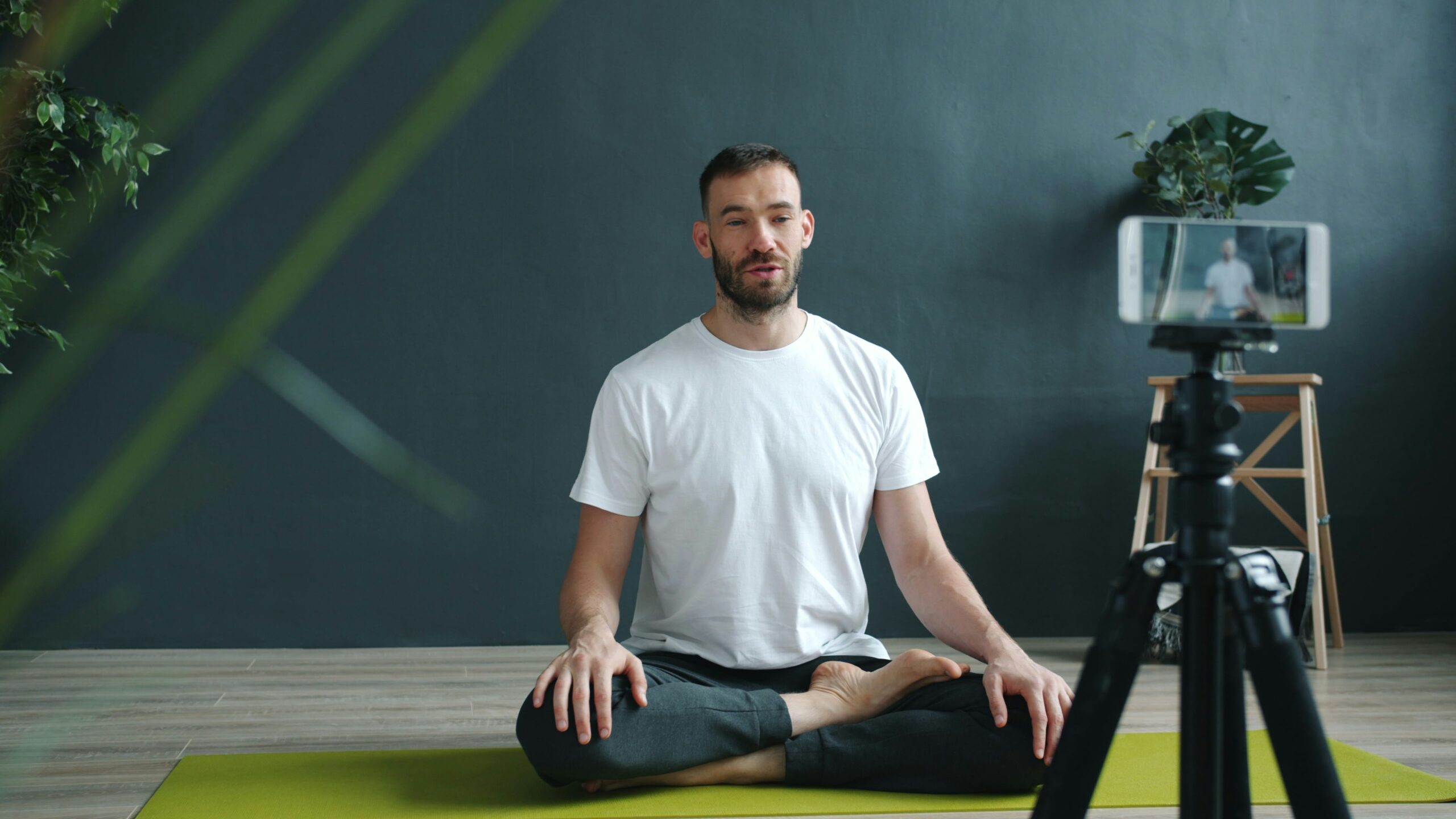
What Is Somatic Yoga? Understanding the Concept
Somatic Yoga is more than just another yoga style—it’s a profound journey into the inner landscape of your body and mind. Derived from the word “soma,” meaning “living body,” somatic yoga focuses on internal perception rather than external form. Unlike traditional yoga that emphasizes postures or flexibility, somatic yoga is rooted in awareness—teaching you how to feel your movements from within.
This approach invites practitioners to slow down, tune in, and listen to subtle sensations that often go unnoticed in fast-paced lives. Through mindful, deliberate motion, Somatic Yoga helps retrain your nervous system to release chronic tension and restore natural movement patterns.
The practice bridges the gap between body and mind, encouraging emotional balance and physical ease. It’s often described as meditation in motion—a powerful method for self-healing and embodied awareness.
The Origin and Evolution of Somatic Yoga
The origins of Somatic Yoga can be traced to the work of Thomas Hanna, a philosopher and movement educator who founded Somatics in the 1970s. Hanna built on the teachings of pioneers like Moshe Feldenkrais and Elsa Gindler, who explored the connection between movement, sensation, and the nervous system.
In the decades that followed, yoga teachers began integrating somatic awareness principles into traditional yoga practices. This fusion created Somatic Yoga—a holistic discipline that merges ancient wisdom with modern neuroscience.
Today, Somatic Yoga is practiced worldwide in studios, therapy centers, and online platforms. Its growing popularity stems from its gentle yet deeply transformative effects, especially for those dealing with chronic pain, stress, or trauma.
Difference Between Somatic Yoga and Traditional Yoga
While traditional yoga focuses on asanas (poses) and alignment, Somatic Yoga emphasizes awareness and internal experience. You won’t find rigid postures or forceful stretching here. Instead, the practice invites slow, intentional movements guided by sensation, not performance.
| Aspect | Traditional Yoga | Somatic Yoga |
|---|---|---|
| Focus | Physical postures and flexibility | Internal awareness and nervous system re-education |
| Speed | Moderate to fast-paced | Slow and mindful |
| Goal | Strength, balance, and discipline | Healing, relaxation, and body-mind harmony |
| Instruction | Pose-based guidance | Sensation-based self-discovery |
The result? A practice that’s accessible to everyone—regardless of age, experience, or flexibility.
The Science Behind Somatic Movement
Somatic Yoga works by engaging the brain-body feedback loop. Each slow movement activates sensory neurons, sending information to the brain about how the body feels and moves. Over time, this process reprograms muscle memory and enhances body awareness.
How Somatic Yoga Rewires the Nervous System
Our bodies often hold tension unconsciously due to stress or past trauma. Somatic Yoga helps release this “muscle amnesia” by teaching the brain to recognize and relax chronically contracted muscles. This process, known as pandiculation, gently resets the nervous system and restores fluid movement.
The Role of the Brain-Body Connection in Somatic Awareness
Every movement we make involves communication between the brain and muscles. When that communication becomes distorted—through injury, repetitive stress, or emotional strain—pain and stiffness arise. Somatic Yoga restores this lost dialogue, leading to a renewed sense of comfort, coordination, and calm.
Core Principles of Somatic Yoga Practice
Somatic Yoga is guided by three key principles:
Mindful Movement and Sensory Awareness
Instead of forcing your body into shapes, you explore each motion with curiosity. Every movement is an opportunity to feel, not to achieve.
Releasing Muscle Tension and Emotional Blocks
By becoming aware of habitual holding patterns, practitioners can consciously release both physical and emotional tension stored in the body.
Slowing Down: The Power of Gentle, Conscious Motion
In slowing down, you create space for the nervous system to integrate new patterns of ease and relaxation. It’s a gentle but powerful way to reconnect with yourself.
Physical and Emotional Benefits of Somatic Yoga
Somatic Yoga offers a wide range of benefits that extend beyond physical fitness.
Improved Posture, Flexibility, and Mobility
Regular practice enhances body alignment and fluidity of motion without strain. It encourages the natural grace that comes from moving efficiently and consciously.
Healing Chronic Pain and Trauma Through Somatic Practices
Because Somatic Yoga works directly with the nervous system, it can be effective in reducing chronic pain and restoring freedom of movement. Trauma survivors often find it particularly healing, as it allows the body to release stored stress safely.
Emotional Regulation and Mental Clarity
As you learn to sense and soften tension, emotional balance improves. The practice fosters mindfulness, self-compassion, and a grounded sense of calm.
How to Practice Somatic Yoga at Home
You don’t need a studio, fancy props, or years of experience to enjoy the healing benefits of Somatic Yoga. All that’s required is a quiet space, an open mind, and the willingness to explore your body’s sensations.
Preparing Your Space and Mindset
Choose a calm, comfortable area where you won’t be disturbed. A yoga mat, blanket, or even a carpeted floor will work fine. Dim lighting and soft music can enhance the sense of relaxation.
Before you begin, take a few deep breaths and set an intention for your practice—such as releasing tension, calming your mind, or simply becoming more aware of your body. Remember, Somatic Yoga isn’t about “doing it right,” but about feeling what’s right for you in the moment.
Foundational Somatic Yoga Exercises for Beginners
Here are a few simple exercises to get started:
- Pelvic Tilt Awareness
Lie on your back with knees bent and feet flat. Gently rock your pelvis back and forth while breathing slowly. Notice how the movement affects your spine and hips. - Shoulder Release
Sitting or lying down, slowly lift your shoulders toward your ears, hold briefly, and exhale as you release. Focus on the sensation of letting go. - Cat-Cow Variation (Somatic Style)
Move between arching and rounding your spine, but instead of following a set rhythm, move intuitively. Notice which parts of your spine feel tight and allow them to soften gradually. - Pandiculation Stretch
This is the hallmark of Somatic Yoga. Slowly contract a muscle group, hold briefly, then release it fully. This retrains the brain to let go of chronic muscle tension.
Creating a Daily Somatic Routine for Long-Term Growth
Consistency is key. A short 10–20 minute daily session can make a remarkable difference in how your body feels. Begin with gentle movements, focus on breathing, and observe without judgment. Over time, you’ll notice improved coordination, posture, and calmness.
You can also integrate mindfulness techniques such as body scanning and conscious relaxation to deepen your awareness. The goal is to develop an ongoing dialogue between your mind and body—one based on curiosity, compassion, and connection.
Somatic Yoga for Specific Conditions
One of the greatest strengths of Somatic Yoga is its adaptability. It can support healing for a variety of conditions—physical, emotional, and psychological.
Somatic Yoga for Stress and Anxiety Relief
Stress triggers the body’s fight-or-flight response, causing muscle tension and shallow breathing. Somatic Yoga interrupts this cycle by activating the parasympathetic nervous system—the body’s natural relaxation response.
Through slow, mindful movement and deep breathing, practitioners learn to identify where stress “lives” in their body and gently release it. Over time, this promotes greater resilience and calmness in daily life.
Somatic Yoga for Back Pain and Body Alignment
Chronic back pain often stems from habitual muscle contractions or poor posture. Somatic movements retrain the brain to restore natural spinal alignment and ease muscular tension. Gentle exercises like pelvic tilts and somatic bridges can relieve stiffness and improve mobility without strain.
Somatic Yoga for Trauma Recovery and Emotional Healing
Trauma is stored in the body as much as in the mind. Somatic Yoga provides a safe, non-invasive way to reconnect with bodily sensations and discharge stuck energy. By increasing interoception (awareness of internal sensations), individuals can begin to feel safe in their own bodies again—a critical step toward trauma recovery.
Therapists often combine Somatic Yoga with other modalities such as EMDR, breathwork, or mindfulness-based therapy for holistic healing.
Integrating Somatic Yoga into Your Lifestyle
Somatic Yoga isn’t limited to the mat—it’s a way of living with mindfulness and presence. Integrating its principles into everyday life amplifies its benefits.
Combining Somatic Yoga with Meditation and Breathwork
Pairing Somatic Yoga with meditation enhances self-awareness and concentration. Breathing exercises like diaphragmatic breathing or box breathing help deepen relaxation and maintain focus during movement. Together, these practices create a harmonious state of balance between mind, body, and spirit.
Using Somatic Practices for Mindful Living and Self-Care
Somatic awareness extends into simple daily actions—how you walk, sit, or even breathe. Paying attention to sensations throughout the day encourages a state of grounded mindfulness. It’s a gentle reminder that healing doesn’t only happen during practice but also in the way we live moment to moment.
You might incorporate short somatic check-ins: pausing during work to notice how your shoulders or jaw feel, or taking a few conscious breaths before bed. These micro-practices nurture continuous self-care and awareness.
Common Myths and Misconceptions About Somatic Yoga
Even though Somatic Yoga is gaining recognition, several misconceptions still exist.
“It’s Just Stretching” — Why Somatic Yoga Is Deeper Than It Looks
Unlike stretching, Somatic Yoga involves active participation of the nervous system. You’re not passively elongating muscles—you’re reprogramming how the brain perceives movement and tension. The goal isn’t flexibility but functional freedom and neurological harmony.
“You Need to Be Flexible to Start” — Debunking the Myth
Somatic Yoga welcomes everyone—regardless of flexibility, strength, or experience. Because it’s slow and intuitive, it adapts naturally to each person’s capacity. Whether you’re an athlete, a senior, or someone recovering from injury, Somatic Yoga meets you where you are.
Best Resources to Learn Somatic Yoga
For those interested in diving deeper, there are many excellent teachers and platforms dedicated to Somatic Yoga education.
Online Courses, Books, and YouTube Channels
- Books: Somatics: Reawakening the Mind’s Control of Movement, Flexibility, and Health by Thomas Hanna.
- YouTube Channels: Somatic Movement Center and Gentle Somatic Yoga by James Knight.
- Courses: Many online learning platforms, like Udemy, offer beginner-friendly Somatic Yoga programs.
Somatic Yoga Teachers and Certification Programs
Look for certified teachers who specialize in Somatic or Hanna Somatic Education. Training programs often include anatomy, neuroscience, and movement re-patterning modules that ensure safety and effectiveness.
Frequently Asked Questions (FAQs)
1. Is Somatic Yoga suitable for beginners?
Absolutely. Somatic Yoga is gentle, intuitive, and adaptable for all fitness levels—even complete beginners.
2. Can Somatic Yoga help with chronic pain?
Yes. Many practitioners find relief from chronic back, neck, and shoulder pain through regular somatic movement practice.
3. How often should I practice Somatic Yoga?
Consistency matters more than duration. Practicing 15–20 minutes daily or 3–4 times a week can bring noticeable results.
4. Is Somatic Yoga safe for people with injuries?
In most cases, yes—but always consult a healthcare provider before starting if you have a medical condition or recent injury.
5. Can I combine Somatic Yoga with other forms of exercise?
Definitely. It complements other physical practices by enhancing body awareness and preventing overuse injuries.
6. Does Somatic Yoga have a spiritual component?
While not inherently spiritual, Somatic Yoga naturally promotes self-awareness, mindfulness, and inner peace, aligning with many yogic philosophies.